
This is general educational information, not legal, food-safety, or regulatory advice. Which permit you need, and whether you can sell a given drink, depends on your setup, your products, and current Florida rules. Confirm with FDACS (Florida Department of Agriculture and Consumer Services) or DBPR before you sell.
Thinking about putting drinks on your farm stand table? Maybe a pot of coffee for early customers, a cooler of bottled refreshers, or a dispenser of fresh lemonade in the summer heat. Before you pour the first cup, the rules for drinks in Florida are different from the rules for baked goods, and they are not what most sellers assume.
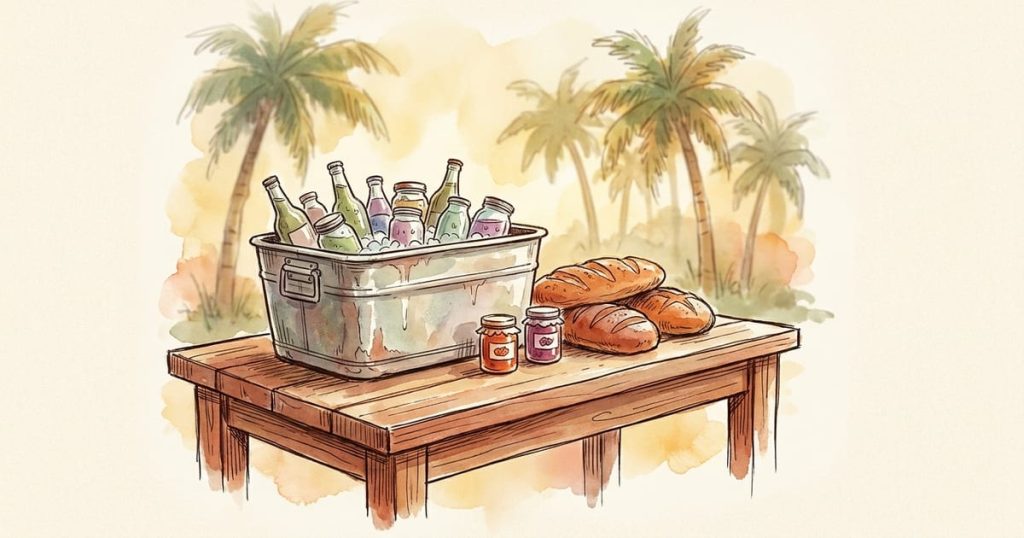
Here is the single most important thing to know: your cottage food permit does not cover a single beverage. Cottage food in Florida is limited to shelf-stable items like breads, cookies, jams, and candies. The moment you offer a drink, you are in a different set of rules, and which set depends on one question: are you serving it sealed, or making it on site?
Find your situation below.
The short version
| What you want to do | Who regulates it | Permit likely needed |
|---|---|---|
| Give away free sealed bottled water | Not a sale | None (lowest-risk option) |
| Give away free prepared coffee | Grey area, call FDACS | Usually none as a courtesy, confirm if regular |
| Sell sealed bottled drinks and nothing else | FDACS | Often none (minor outlet exemption) |
| Sell sealed drinks alongside your cottage goods | FDACS | Yes, via a small retail permit (not the free exemption) |
| Bottle and sell your own drinks | FDACS (manufacturing) | Yes, manufactured food permit + process approval |
| Make and pour drinks on site (lemonade, iced tea, iced coffee) | DBPR | Yes, food service license |
| Sell fresh-squeezed juice | FDACS | Yes, with juice-safety rules |
Can you give away free coffee or bottled water?
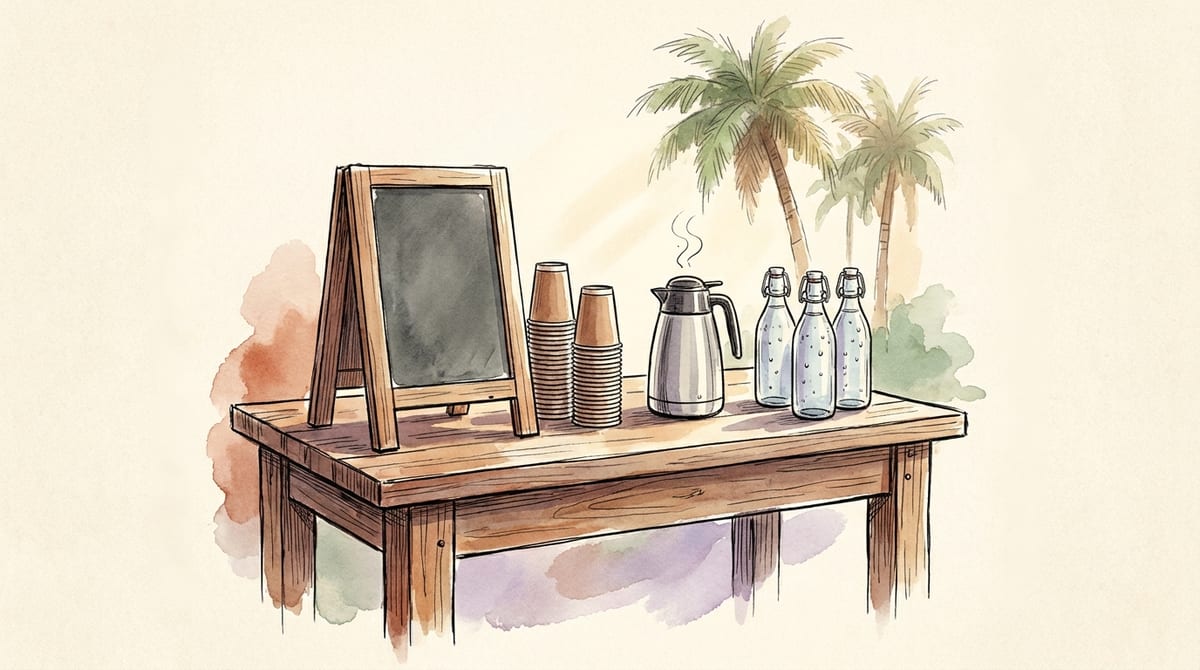
Florida's permit rules are built around selling food and operating a food establishment. Giving something away is not a sale, so the picture is much friendlier here, but the answer is not identical for a sealed bottle and a fresh pot of coffee.
Free, sealed bottled water (or sealed canned soda): this is about the lowest-risk thing you can do. You bought sealed, commercially packaged, non-perishable bottles, and you hand them over unopened. You are not selling, not preparing, not repackaging, and the product needs no temperature control.
Setting out free bottles of water for your visitors on a hot day is almost certainly fine. If you want certainty in writing you can confirm with FDACS, but this is the friendliest scenario on the whole page.
Free prepared coffee: a little grayer, because you are brewing and serving it, not just handing over something sealed. The safety questions an inspector cares about (clean water, clean hands, safe holding) still exist even when the coffee is free. A simple courtesy pot is low risk and rarely an issue in practice. The picture changes only if it becomes a large, regular, advertised part of your stand.
Bottom line: free sealed bottled water is the easiest yes in this whole article. A complimentary pot of coffee is usually fine too, but Florida does not publish a clean "free food is exempt" rule, so if free prepared drinks become a standing feature, confirm it with FDACS first. (Contact: FoodSafety@FDACS.gov or 1-800-HELP-FLA.)
Can you sell sealed, bottled drinks? (mixers, refreshers, sodas, cold brew)
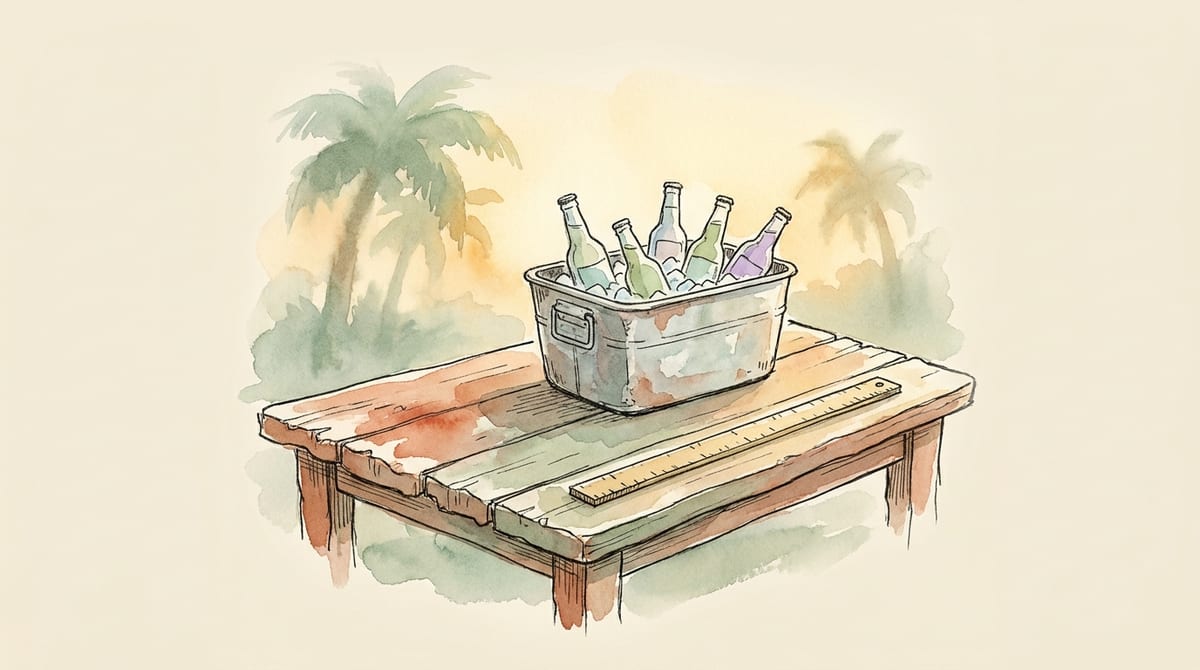
This is the easiest paid path in Florida, and most sellers do not realize how open it is.
Florida has a minor food outlet exemption. If you sell only commercially prepackaged, non-perishable, non-temperature-controlled foods, you do not need a food permit at all, as long as:
- Every item is commercially prepackaged (sealed by the manufacturer, not bottled by you).
- The items are non-potentially-hazardous / shelf-stable (they would be safe sitting on a counter).
- Your total shelf space for these items stays at or under 12 linear feet.
- You sell no other food at that outlet.
- You do no processing, repackaging, or food service.
A cooler of sealed bottled refreshers, canned sparkling drinks, sealed cold brew, or bottled water sitting alongside nothing else can qualify. One catch is the word commercially prepackaged. Bottling your own refresher at home and capping it yourself is not this. That is you manufacturing a beverage, which is a different and much stricter conversation.
What if you also sell bread or other cottage goods?
This is where sellers panic, and they should not. Selling bread does not stop you from selling sealed drinks. It only changes how you are allowed to sell them.
Here is the distinction that trips everyone up. The minor food outlet exemption is not "permission to sell drinks." It is a free shortcut that lets you skip a permit, and it only works in one narrow situation: when sealed prepackaged drinks are the only thing you sell. The "no other food is sold" line is simply the price of that shortcut.
So if you are also selling homemade bread, jam, or cookies, you just do not qualify for the shortcut. That is the whole consequence. It does not mean drinks are off-limits. It means the pathway for your drinks is a retail food establishment permit instead of the free exemption. You get that permit, and you can sell sealed drinks right alongside your cottage goods.
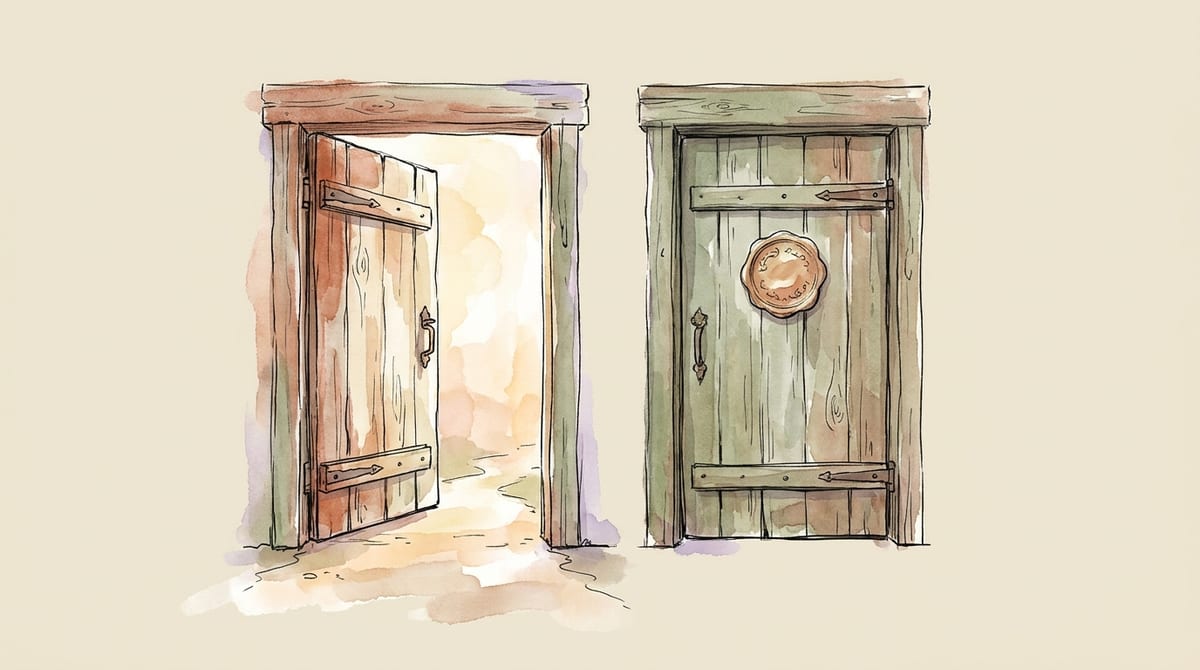
Think of it as two doors to the same room:
- Door 1 (free, no permit): you sell nothing but sealed prepackaged drinks. This is the minor food outlet exemption.
- Door 2 (small permit): you sell drinks plus your bread and other goods. This is a retail food establishment permit.
What Door 2 actually involves (the honest hoops):
- No food safety manager course. This is the fear, and it does not apply. Because you only sell sealed items that arrive prepackaged and you never open or process them, you are specifically exempt from the Certified Food Protection Manager requirement.
- A small annual fee. Roughly $130 to $190 a year depending on your category ("Limited Sales" if your total food sales are under $15,000 a year, "Minor Food Outlet, Only Non-perishable Foods" otherwise). Not free the way cottage food is.
- Water and septic documentation. You have to show FDACS an approved water source and sewage or septic system for the stand location. This is usually the most annoying step for a home or roadside stand.
- You become an inspected stand. An inspection before the permit is issued, and routine inspections after. Your cottage baking, by contrast, is largely uninspected. This is the real shift, adding drinks brings an inspector into the picture for the first time.
So it is doable, and none of it is a food-handler class. It is a modest fee, some paperwork about your water, and stepping into the inspected-retail lane.
The one thing worth an FDACS call is a setup question, not a "can I do this at all" question: how they want a cottage operator to structure Door 2, specifically whether your bread stays under its separate cottage food exemption while the drinks sit under the retail permit, or whether they would rather permit the whole table. (And to clear up a common myth: despite what some online guides claim, Florida's cottage food law does not contain a "cottage products must be sold separately" rule. I checked the actual statute.)
Bottom line: bread plus sealed drinks is allowed. You use a small retail permit (about $130 to $190 a year) rather than the free exemption, and there is no food-handler course for sealed drinks. The answer to "can I sell drinks if I sell bread" is yes.
I asked FDACS this exact question. Here is what happened.

When I dug into the statute on this, I will be honest with you, even I found the wording confusing about exactly how it applies when you are running a cottage operation and selling a few drinks at the same stand. So I did the thing I would tell you to do: I emailed FDACS directly and asked them to put it in writing.
They wrote back, and their answer is genuinely useful, just not in the way I expected. The Division of Food Safety told me the question is too specific to answer without knowing the full scope of the intended operation, and pointed me to their Food Permit Center. They did confirm one thing worth knowing: "business owners operating under cottage food law are not permitted by the Division." Your cottage bread genuinely does sit outside FDACS permitting.
So here is the real takeaway, and it is more useful than the answer I was fishing for: this is not a question with one public answer. It is a question FDACS answers per stand. They want to know your setup before they tell you how to structure it, which means the person who can get a definitive answer about your stand is you, not me. That is not a brush-off, it is how the permitting process works.
How to ask them about your stand
Contact the FDACS Division of Food Safety:
- Email: FoodSafety@FDACS.gov
- Phone: 1-800-HELP-FLA (1-800-435-7352)
- Online: Food Permit Center
To save you a blank page, here is a starter email. It opens in your email app, already filled in. Read it before you send it and swap in your real details, the specifics are the entire reason they will answer you and not send you a link:
Open this email in your mail app
Fill in every bracket. A vague email gets you a link to a webpage. A specific one gets you an answer you can act on, and in writing, which is exactly what you want if an inspector ever asks.
Bottom line: none of this changes whether you can sell the drinks. You can. The statute is clear that adding drinks moves you from the free exemption to a small retail permit. What FDACS decides case by case is how your particular stand gets structured, so ask them about yours. Making your own bottled drink to sell, on the other hand, is a different and much bigger step, covered next.
Can you bottle and sell your own drinks?
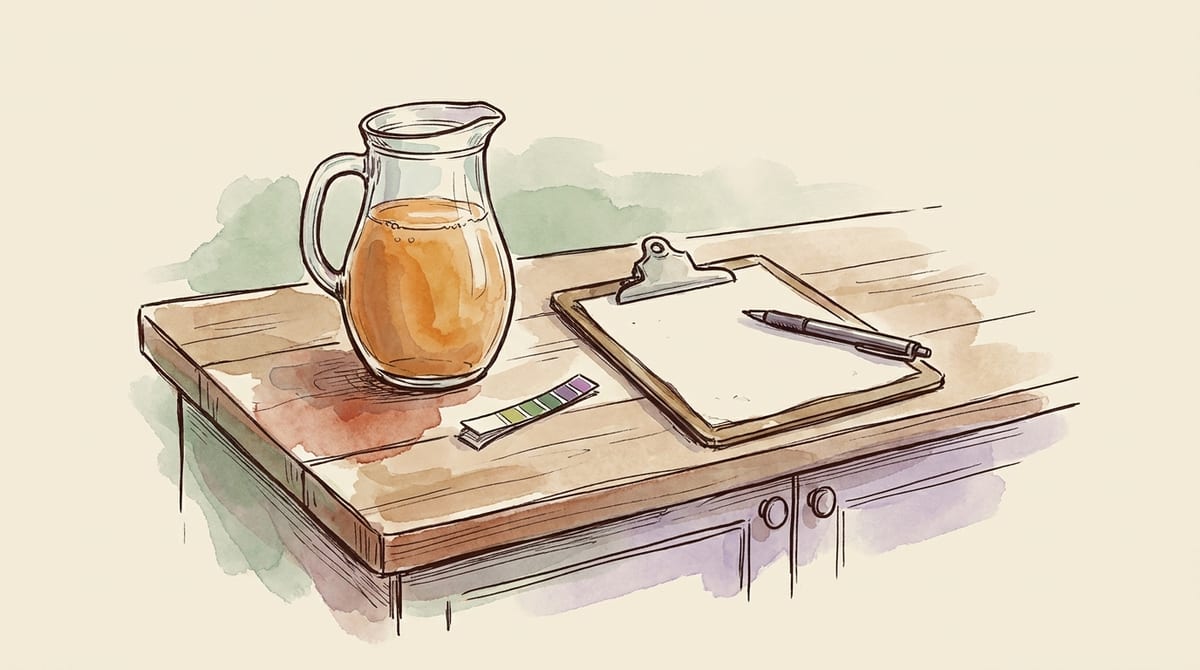
This is the one people underestimate the most. Bottling your own drink to sell sealed, your own lemonade, refresher, or cold brew in a capped bottle, is not retail. It is food manufacturing, and it is the highest bar of anything on this page.
Here is what Florida actually requires:
- A Wholesale/Manufactured Food Establishment Permit from FDACS, not a retail permit.
- A permitted facility, not your home kitchen. The facility and your process must pass an FDACS inspection before you make anything for sale.
- Because almost every drink of this kind is an acidified food, you must hit a finished pH of 4.6 or lower, and you need a process authority (a qualified expert) to evaluate your recipe and write a scheduled process for it.
- Florida then requires a Special Process Approval (SPA) application with that documentation.
- If the drink is shelf-stable in a sealed container, federal rules also require you to register the facility with the FDA and file your scheduled process for each product and container size.
None of that is a farm-stand afternoon. It is a real production setup with lab work and inspections behind it.
Keeping your own bottled drink refrigerated instead of shelf-stable does not simplify this. You are still manufacturing a beverage, and now it is temperature-controlled on top of it, which adds handling rules rather than removing them.
Bottom line: for almost every stand, reselling sealed commercial drinks or pouring on site with a food service license is far more realistic than standing up a bottling operation. If bottling your own product is genuinely the goal, treat it as its own business project and start with a call to the FDACS manufactured food program.
Can you make and pour drinks on site? (fresh lemonade, iced tea, iced coffee)
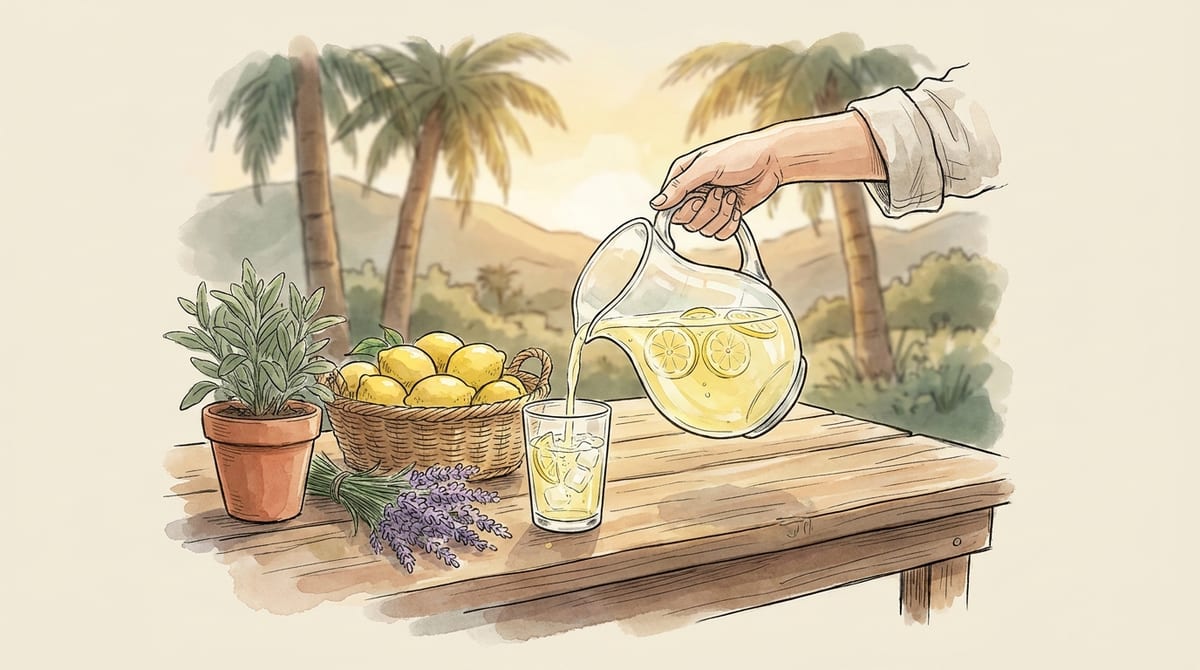
This is what most people picture, and it is the highest-friction path.
A drink you mix, brew, squeeze, or pour on site is prepared food service, regulated by DBPR (the Department of Business and Professional Regulation), not by your cottage food rules. Key points:
- You need a DBPR food service license.
- You cannot prepare the drink at home to sell. It has to be made on site or in a licensed commercial kitchen.
- If you are doing this at fairs, markets, or community events, the usual vehicle is a Temporary Food Service Event license: up to $105 per event, or up to $1,000 per year for unlimited events (capped at 18 days of operation per year on the individual license). The event sponsor notifies DBPR at least 3 days ahead.
- If you are pouring drinks from a permanent roadside stand, that points toward a standing food service permit, and Florida will want documentation of an approved water source and wastewater disposal for the location. This is the highest bar of any drinks scenario.
Bottom line: the pitcher of fresh lemonade everyone imagines is the most-regulated option, not the simplest.
Start Traders Till for free.
Cost your products, print compliant labels, and track every sale. Free forever plan, no card required.
Can you sell fresh-squeezed juice?
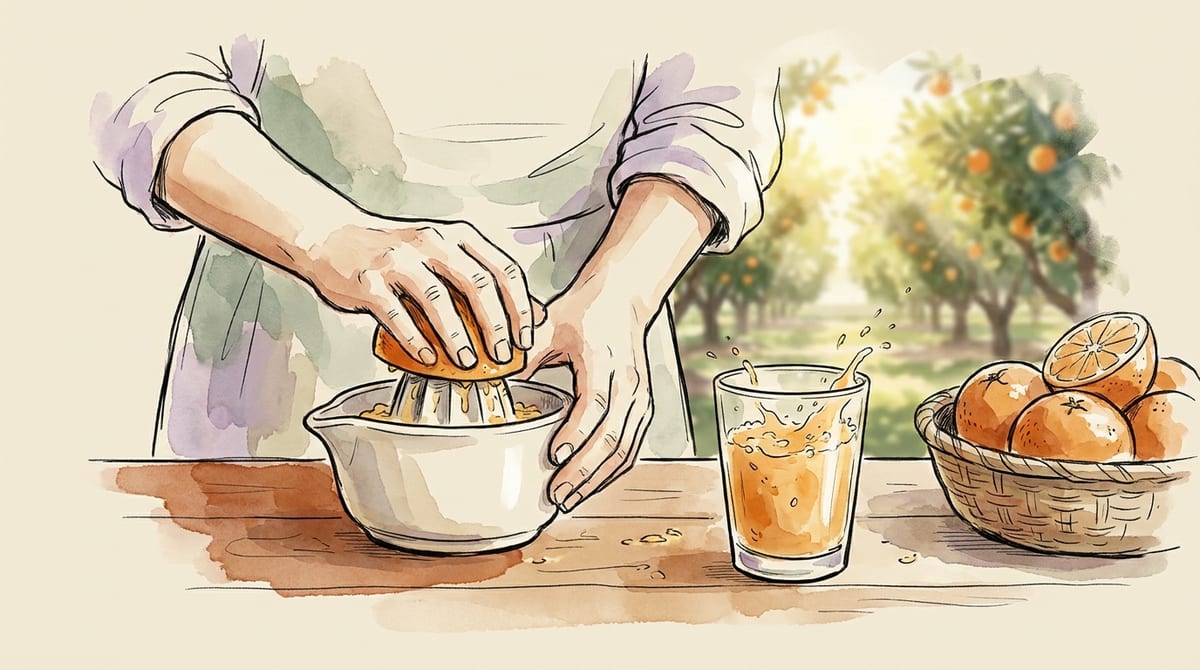
First, a reality check for the honor-system crowd: fresh-squeezed juice does not fit an unattended stand. "Fresh-squeezed" means someone is standing there squeezing it, so by definition this is a staffed, prepared-food activity, not something you can leave in a cooler with a cash box. If your stand runs unmanned, this option is off the table before the rules even come into play.
If you are working the stand yourself, here is what "specific juice-safety requirements" actually means, in plain terms:
- Squeezing and serving it fresh, by the glass, on site. Florida treats a stand that squeezes and serves its own juice directly to customers as a retail establishment, which means you are exempt from the federal Juice HACCP program (that heavy program targets processors and bottlers, not someone pouring a fresh glass). But you are still doing prepared food service, so you are in the DBPR food-service permit lane from the section above, not the cottage lane.
- The unpasteurized warning label. Raw, unpasteurized juice carries a required warning once it goes into a closed container the customer carries off: "WARNING: This product has not been pasteurized and, therefore, may contain harmful bacteria that can cause serious illness in children, the elderly, and persons with weakened immune systems." Juice served in an open cup to drink on the spot is generally exempt from the label; the moment you bottle or cap it to leave with them, the warning applies.
- The line that changes everything. The retail exemption only holds while you sell directly to the person drinking it. The instant you sell or distribute your juice to another business (a shop, a cafe, a stall reselling it), you become a juice processor, and the full Juice HACCP program applies, including a required 5-log pathogen reduction. That is a commercial food operation, not a farm stand.
- Bottling it to sell sealed and shelf-stable. Back in the manufacturing rules from the self-bottling section above (permit, process authority, acidified-food pH control), with the juice rules layered on top.
Bottom line: squeezing and serving fresh juice by the glass at a staffed stand is doable, but it lives in the prepared-food-service lane (a DBPR permit), not cottage food, and it can never be unattended. Packaging it or selling it wholesale pulls in warning-label and Juice HACCP rules that turn it into a real food operation.
What about a kid's lemonade stand?
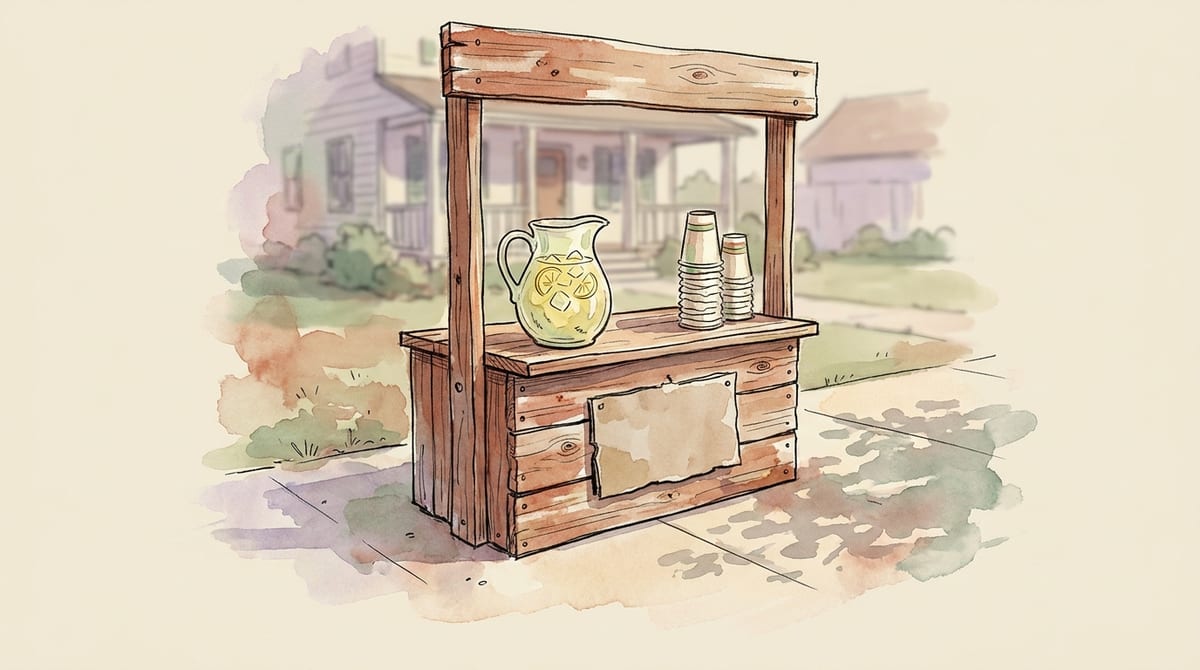
Honest answer: Florida has no law exempting children's lemonade stands from permitting. More than two dozen other states have passed "lemonade stand laws" to protect kids' stands. Florida is not one of them.
In practice, a small stand on private property rarely draws enforcement, because the state focuses its limited resources on commercial operations. So a child's weekend stand runs on discretion, not legal protection. Good to know before you plan anything bigger than a Saturday.
Can you leave drinks out for unattended sale?
A lot of Florida stands run on the honor system, a cash box and no attendant. For drinks, here is where that works and where it does not:
- Sealed, shelf-stable bottled drinks: yes, these can sit in an unattended stand like any packaged good (within the minor outlet exemption above).
- Prepared drinks held cold (lemonade, iced tea, iced coffee): no. There is no one controlling the temperature and no one to pull it if it drifts. Prepared, temperature-controlled drinks are a staffed activity, not an honor-box one.
So the classic image, a cooler of fresh lemonade left out with a cash jar, is exactly the setup the rules do not allow.
Your quick checklist

- Reselling only sealed, shelf-stable drinks under 12 linear feet and nothing else? You may need no permit (minor food outlet exemption).
- Already selling homemade cottage goods and want to add sealed drinks? Allowed. You just use a small retail food establishment permit instead of the free exemption (the exemption only applies if drinks are the only thing you sell). Confirm the setup with FDACS.
- Bottling your own drink to sell? That is manufacturing: FDACS manufactured food permit, a process authority and scheduled process, pH at or below 4.6 for acidified drinks, and FDA facility registration for shelf-stable sealed containers. Not a home-kitchen activity.
- Pouring, mixing, or brewing on site? Assume a DBPR food service license.
- Never prepare drinks at home to sell. On site, a licensed commercial kitchen, or a permitted manufacturing facility only.
- Selling at events? Get a Temporary Food Service Event license; the sponsor notifies DBPR 3+ days out.
- Permanent stand pouring drinks? Expect an approved water source and wastewater documentation.
- Do not leave prepared, cold-held drinks out for unattended sale.
- Fresh-squeezed juice is a stricter, separate question. Call FDACS first.
- Check your county for a local business tax receipt and any local rules.
Bottom line
In Florida, cottage food law covers no beverages at all, so every drink question comes down to how you serve it. Sealed, shelf-stable drinks are the easy path: often no permit if that is all you sell, or a small retail permit alongside your cottage goods. Making or pouring drinks on site is prepared food service through DBPR, and bottling your own is full-on manufacturing. When your plan sits near one of these lines, a quick call to FDACS or DBPR beats a guess.
Knowing which lane your drinks fall into is step one. Knowing whether they actually make you money is step two, and that is where Traders Till comes in: track every drink, batch, and sale so you can price your stand's lineup with confidence. Start free with Traders Till →
Want the plain-English rules for selling food where you live? Join the newsletter →
Sources
Every source below was checked against the issuing agency's own page on July 12, 2026.
- FDACS, Cottage Foods fdacs.gov
- FDACS, Retail Food Establishment Permit fdacs.gov
- FDACS, Mobile Food Establishments fdacs.gov
- FDACS, Wholesale/Manufactured Food Establishment Permit fdacs.gov
- Fla. Admin. Code 5K-4.020, Food Permits; Requirements and Fees law.cornell.edu
- Fla. Statutes Ch. 500.12, Food permits; exemptions flsenate.gov
- DBPR, Guide to Temporary Food Service Events www2.myfloridalicense.com
- FDA, Questions and Answers on the Juice HACCP Regulation fda.gov
Summarize & Save This Guide On
Add Traders Till As A Preferred Source on Google Prompt copiedApril Lee has a B.S. in Agriculture from Cal Poly Pomona, is a certified food handler (ANAB-accredited, Learn2Serve), and holds ANAB-accredited food allergy training. She writes about selling homemade and homegrown products - cottage food rules, pricing, and the business side of farm stands - and is the co-founder of Traders Till, an app that helps home producers track what they make, sell, and earn.
Start Traders Till for free.
Cost your products, print compliant labels, and track every sale. Free forever plan, no card required.
 Save to Pinterest