

Doing your own local delivery is the middle ground between market or pickup and shipping, and in many states it is the easiest new channel to add legally. The reason: personal delivery, where you or someone in your household hands the food to a local customer, is allowed in a lot of states that flatly ban mailing or shipping. If you set a delivery zone, a minimum order, and a set day, it can be the highest-margin way you sell.
This is general information, not legal advice. Cottage food and delivery rules vary by state (and sometimes by town or county) and change often. Confirm what your own state allows with your cottage food agency before you deliver.
Is doing your own local delivery even legal?
Usually yes, and this is the part that trips people up, because delivery and shipping are two different things in the eyes of the law.
Cottage food laws regulate how the food physically reaches the buyer. Handing a package to a mail carrier or a courier is "shipping," and most states either ban it or restrict it tightly. But driving an order to a customer across town yourself is "personal delivery," and it is far more widely allowed.
Texas is a clear example: the state lets you sell online and take phone orders, but the food has to be delivered in person by you, an employee, or a member of your household, with no third-party shipping (Texas DSHS). Several other states draw the same line, allowing in-state delivery while prohibiting shipping.
The practical takeaway: if your state bans shipping, do not assume it bans delivery too. It often does not. The specifics live in two companion guides, and you should read your state's row before you promise anyone anything.
Start with what your state allows for online sales and whether you can ship at all, and if you are new to the whole framework, what cottage food law actually is.
When does local delivery actually make sense?
Delivery is not free money. You are trading your time and your gas for the convenience you are offering, so it only works with a few guardrails in place:
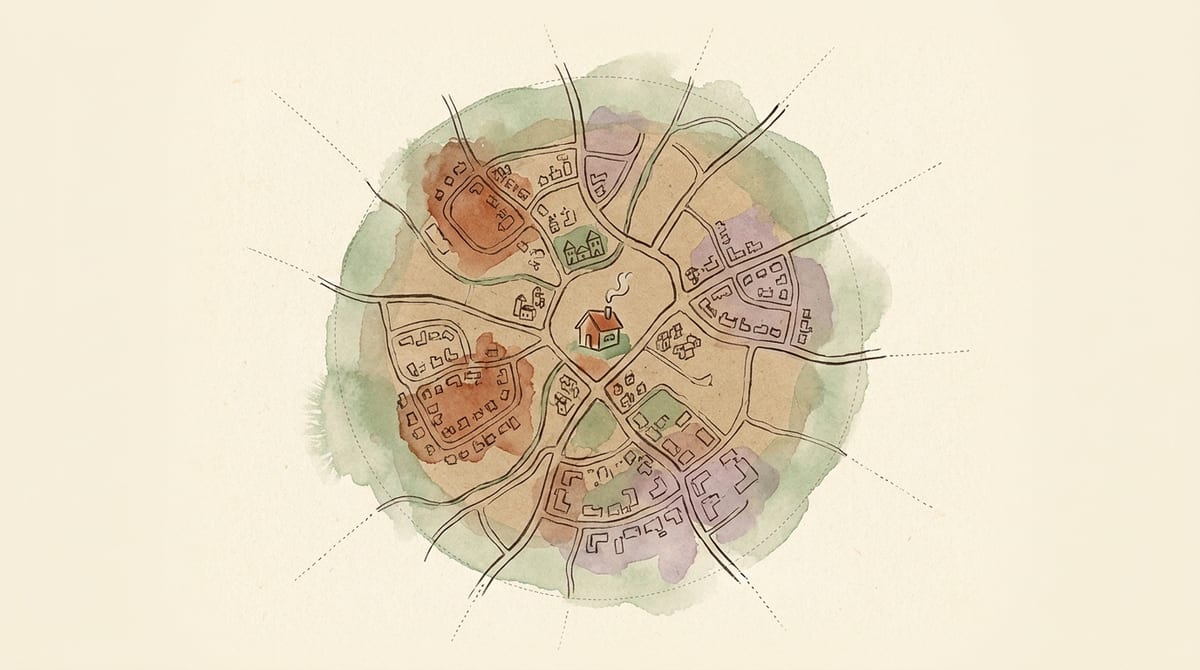
- A delivery zone. Draw a radius you will actually drive, say 10 or 15 minutes from your kitchen, and say no to anything outside it. An open-ended "I'll deliver anywhere" turns one order into a two-hour round trip.
- A minimum order. Set a floor, often somewhere around $25 to $40, so a single $6 jar never justifies a car trip.
- A weekly route, not on-demand. Pick one delivery day. "Deliveries go out every Thursday afternoon" batches your stops and protects the rest of your week. On-demand delivery quietly eats every evening.
- Batching by neighborhood. Group orders that sit near each other and deliver them in one loop instead of criss-crossing town.
If most of your customers would happily grab their order from your porch instead, porch pickup is even cheaper for you, and it is worth offering both so the customer self-selects. Delivery is the upgrade for the ones who cannot come to you.
This one hits close to home for me. I rent a second unit attached to my landlords' house in Southern California, in exactly the kind of neighborhood that would love a farm stand, but my landlords won't allow one on the property because they don't want visitors coming and going. Local delivery inside a tight radius is the only way I can actually reach those customers. For me it isn't the upgrade to a farm stand, it is the whole channel.
How should you price delivery?
There are three honest ways to charge for it, and you can mix them:
- A flat fee. The simplest and most common: a delivery is $5, full stop. Customers understand it instantly, and it covers your gas and a slice of your time.
- Free over a threshold. "Free delivery on orders over $50." This nudges people to add one more item, which often earns you more than the delivery fee would have.
- Folded into the price. Build a couple of dollars into your product prices and call delivery "free." This reads well in marketing, but only works if your prices can carry it without scaring off pickup and market buyers.
Whatever you pick, make sure the fee reflects your real cost, which is mostly your time, not just fuel. If a delivery run takes an hour and covers eight stops, that hour has to be paid the same way your production hours are.
Price it the same way you price everything else, from your costs up. The full method is in how to price homemade food.
How do you keep the route efficient?
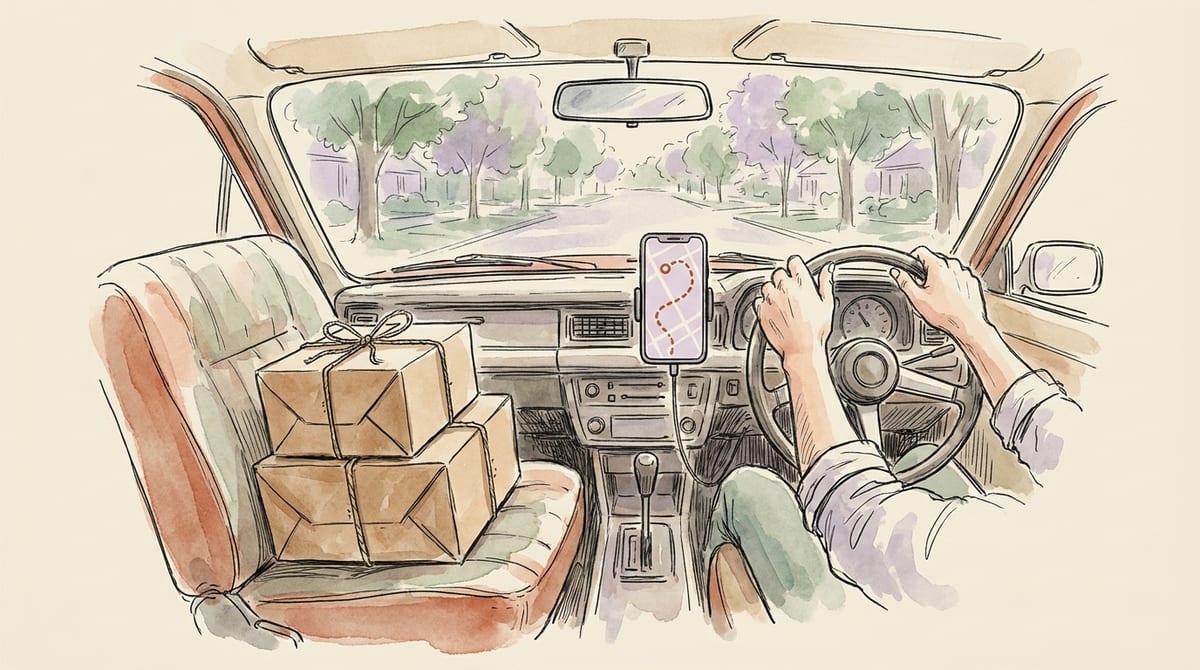
The difference between a delivery channel that pays and one that drains you is almost entirely routing.
- Cluster your stops. Sort the week's orders by neighborhood and drive one sensible loop. A free map app will sequence the stops for you.
- Set a hard day and window. "Thursdays, 3 to 6 p.m." lets customers plan and lets you pack once, load once, and drive once.
- Cap the run. Decide the most stops you will do in a day. When you hit it, the next order rolls to the following week or moves to pickup.
- Confirm before you leave. A quick "on my way, out for delivery" text cuts the missed drops that force a second trip.
A tidy weekly route also makes the combined pickup-and-delivery setup much easier to run, because pickup and delivery orders come off the same batch of production.
This is also the part Traders Till is built to take off your plate. When you run delivery as a channel in the app, it captures each order's address at checkout, sequences the day's stops into one efficient loop instead of a zig-zag across town, and lets you mark each order delivered to close it out, the same way you clear a pickup. It logs the miles for your taxes and shows you what the run actually paid per hour. Start free and set it up today.
Start Traders Till for free.
Cost your products, print compliant labels, and track every sale. Free forever plan, no card required.
How do you keep food safe in transit?
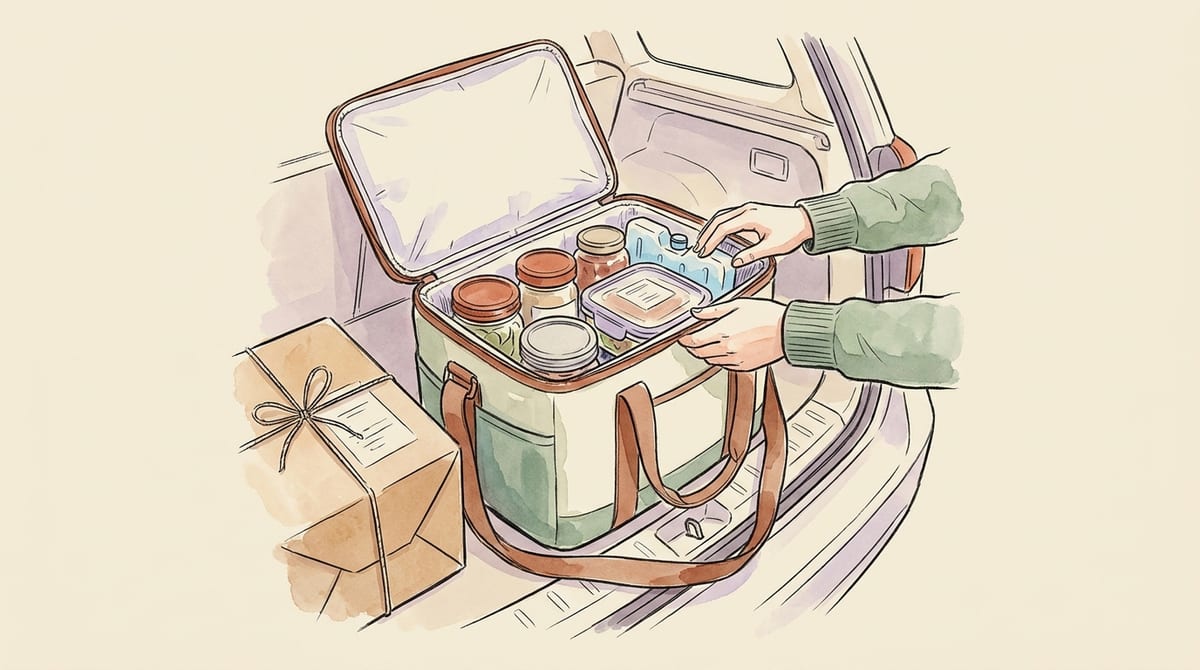
The moment food leaves your kitchen, you own what happens to it until it reaches the customer, so transit is a food-safety step, not just a logistics one.
- Hold the cold chain for anything perishable. Refrigerated and temperature-controlled items ride in a cooler with ice packs, not loose on a car seat. The full handling rules are in keeping home food cold in transit.
- Package for the drive. Seal, cushion, and keep hot and cold apart. A jar that leaks or a box that collapses is a lost customer.
- Mind the porch-drop window. A contactless porch handoff is convenient, but perishable food should not sit in the sun. Deliver perishables when someone can receive them, or text the second it lands so it comes inside fast.
- Label it clearly, with your required cottage food label, so whoever opens the door knows what it is and how to store it.
For shelf-stable goods like breads, cookies, dry mixes, and jams, transit is easy. It is the refrigerated items where a delivery channel earns or loses your reputation.
Is your delivery hour actually worth it?
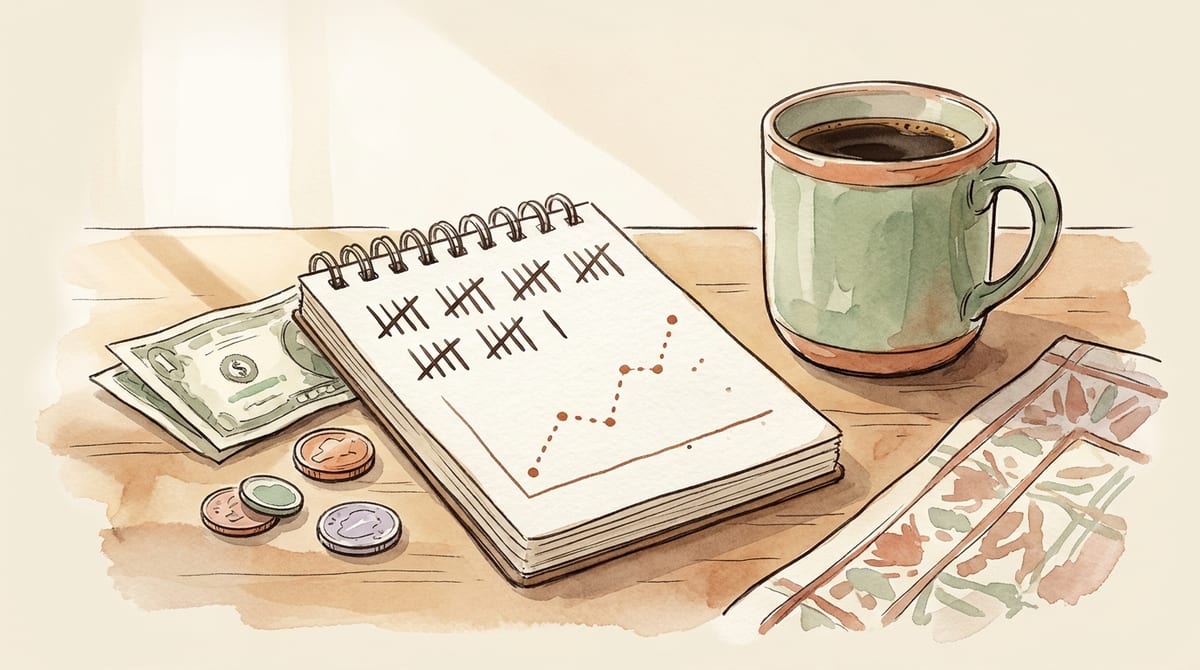
Run the same math you run on a market day. Add up the delivery fees you collected, subtract your gas, and divide what is left by the total time the run took, including packing and driving. That number is your delivery hourly rate.
Sometimes it is great, because a tight eight-stop loop in your own neighborhood can beat a slow market morning. Sometimes it is dismal, because two far-flung stops ate ninety minutes for ten dollars.
You will not know which until you track it, and delivery is exactly the kind of channel that feels productive while quietly paying you very little. Tracking each run the way you track each market is what turns "I think delivery is worth it" into a number you can act on.
DIY delivery or a third-party courier?
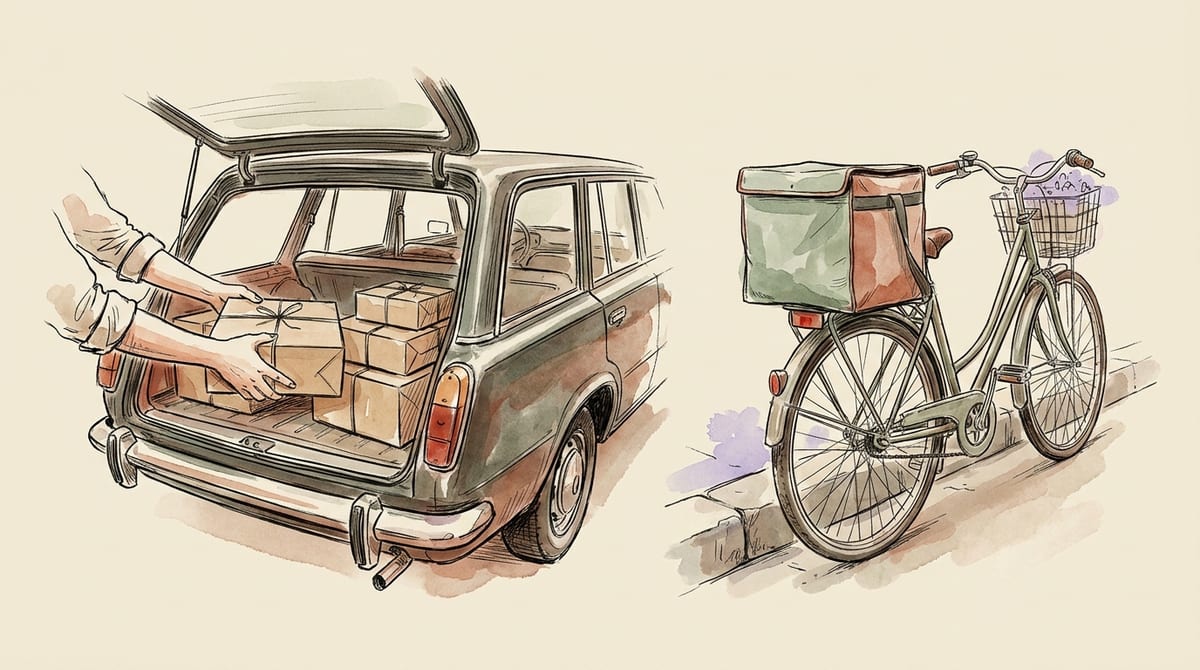
Once demand grows, you will wonder whether to hand delivery to a courier like DoorDash or a local service instead of driving it yourself. Two cautions:
- The legal one. In states like Texas, personal delivery must be done by you, an employee, or a household member, so a third-party courier can put you outside your cottage food exemption entirely. Check your state before you outsource (Texas DSHS).
- The money one. Courier fees and commissions can swallow a cottage food margin whole. For most home sellers, a batched weekly route you drive yourself beats paying a platform per order.
Outsourcing is usually a "later" decision, for when your volume is high enough that your own time is the bottleneck.
Bottom line
Local delivery is often the most legally straightforward channel a home food business can add, because personal delivery is allowed in many states that ban shipping.
Keep it profitable with a delivery zone, a minimum order, a set weekly day, and clustered stops. Protect perishables with the cold chain, and track each run so you know your real hourly rate. Confirm your own state's rule first, since delivery and shipping are not the same thing in the law.
When you are ready to run delivery like a channel instead of a favor, start free with Traders Till. It is the sales tracker built for home food sellers: log every order, tag it delivery or pickup, and see which channel and which route actually pays you, without spreadsheet homework.
Sources
Every source below was checked against the issuing agency's own page on July 10, 2026.
Summarize & Save This Guide On
Add Traders Till As A Preferred Source on Google Prompt copiedApril Lee has a B.S. in Agriculture from Cal Poly Pomona, is a certified food handler (ANAB-accredited, Learn2Serve), and holds ANAB-accredited food allergy training. She writes about selling homemade and homegrown products - cottage food rules, pricing, and the business side of farm stands - and is the co-founder of Traders Till, an app that helps home producers track what they make, sell, and earn.
Start Traders Till for free.
Cost your products, print compliant labels, and track every sale. Free forever plan, no card required.
 Save to Pinterest